
DEXA Scans: Seeing What the Scale Can’t
How bone density and total body composition testing provide deeper insight into strength, health, and long-term risk
When it comes to understanding your health, the number on the scale tells only a small part of the story. Two people can weigh the same and have very different levels of bone strength, muscle mass, and body fat. This is where DEXA bone density scans and DEXA total body composition tests become powerful tools—offering clear, medical-grade insight into what’s happening inside your body.
What Is a DEXA Scan?
DEXA (Dual-Energy X-ray Absorptiometry) is a low-dose imaging technology widely used in clinical settings. It provides highly accurate measurements of bone mineral density and detailed body composition data. The scan is quick, non-invasive, and requires no special preparation.
DEXA Bone Density Scans: Why They Matter
A DEXA bone density scan measures the mineral content of your bones and helps assess fracture risk. Bone loss often occurs silently, without pain or symptoms, until a fracture happens. This makes early detection critical.
Bone density testing is especially important for:
-
Women over 40 and post-menopause
-
Men over 50
-
Individuals with a family history of osteoporosis
-
People who have experienced significant weight loss
-
Anyone concerned about long-term mobility and independence
By identifying bone loss early, DEXA scans support proactive decisions around exercise, nutrition, lifestyle changes, and medical follow-up when needed.
DEXA Total Body Composition: Beyond the Scale
While bone density scans focus on skeletal health, a DEXA total body composition test shows how your weight is distributed across fat, lean muscle, and bone. It also measures visceral fat, the type of fat stored around internal organs that’s closely linked to cardiometabolic risk.
This level of detail helps answer questions the scale cannot:
-
Are you losing fat or muscle?
-
Is muscle mass balanced between limbs?
-
How much visceral fat do you carry?
-
Are body composition changes aligning with your health goals?
For anyone focused on improving health, fitness, or metabolic outcomes, this data is far more meaningful than weight alone.
Why These Tests Are Often Used Together
Bone density and body composition are deeply connected. Muscle supports bone strength, and changes in weight—especially rapid or significant weight loss—can impact both. Using both DEXA scans together provides a comprehensive picture of structural health, allowing trends to be tracked accurately over time.
This combined insight is valuable for:
-
Adults focused on healthy aging
-
Individuals managing metabolic or cardiovascular risk
-
Those returning to exercise after lifestyle or weight changes
-
Anyone who wants objective, measurable health data
What to Expect During a DEXA Scan
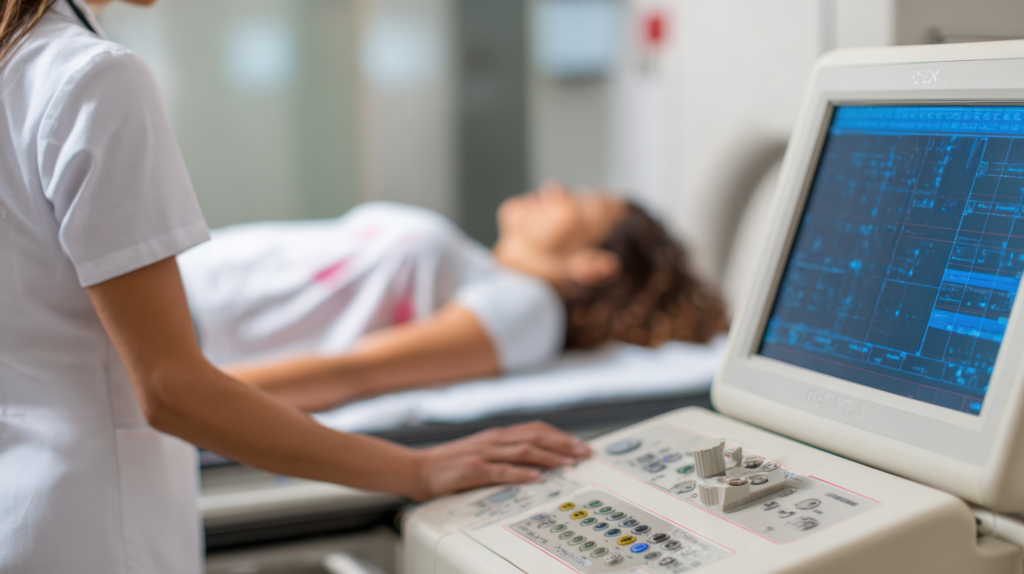
A DEXA scan typically takes 10–15 minutes. You’ll lie comfortably on a padded table while the scanner passes overhead. Radiation exposure is minimal—significantly lower than many common imaging tests—and results are available immediately.
The Bottom Line
DEXA bone density and total body composition scans replace guesswork with clarity. They reveal what’s happening beneath the surface, helping you understand risk, track progress, and make informed health decisions.
Whether your focus is prevention, performance, or long-term independence, DEXA testing offers a precise, science-backed foundation for taking control of your health—now and in the years ahead.